

Understanding the C123EF0 Error: Affected Models, Causes, and Dealership Costs
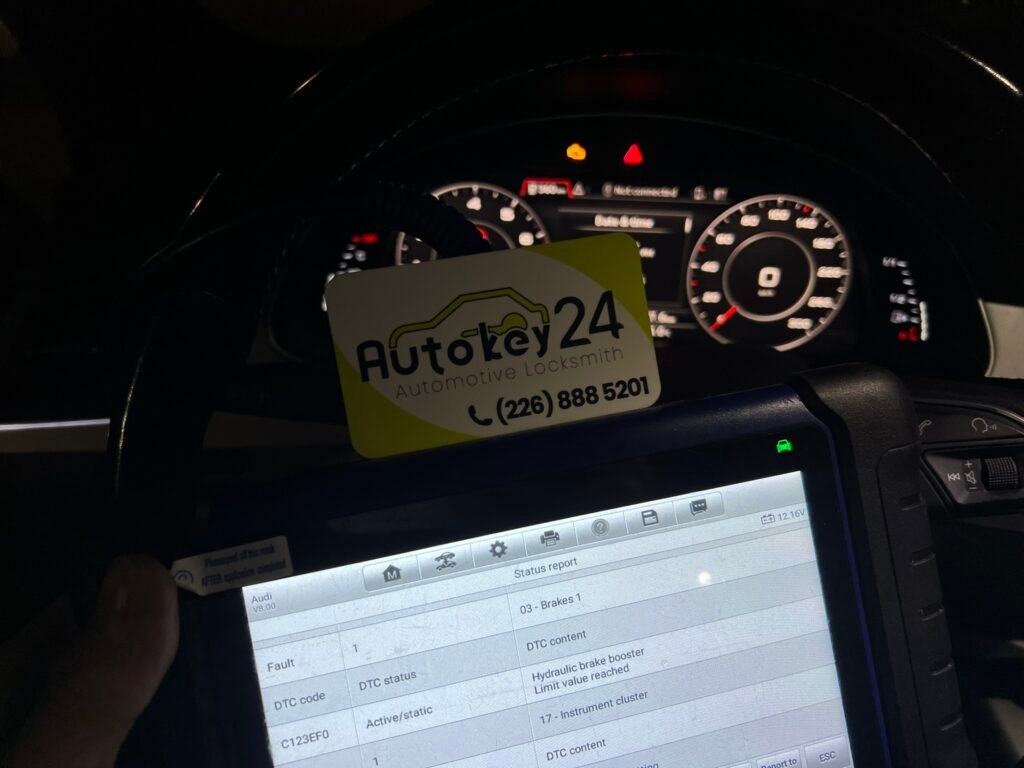
The C123EF0 error code, frequently accompanied by a “Limit Value Reached” warning on diagnostic scanners, is a critical fault predominantly affecting the braking systems of modern VAG vehicles (Volkswagen, Audi, Skoda, and Seat). This highly specific diagnostic trouble code (DTC) is most commonly found in hybrid and electric models utilizing advanced electromechanical brake boosters, including the Volkswagen e-Golf, Golf GTE, Passat GTE, Audi A3 e-tron, and Audi Q7 e-tron. When this error triggers, it immediately illuminates dashboard warning lights, disables advanced braking features, and forces the vehicle into a restricted operational state to alert the driver.
Despite the alarming dashboard warnings, the root cause of the C123EF0 DTC is rarely a physical mechanical failure of the braking components. Instead, this error is caused entirely by an internal software counter programmed into the vehicle’s control module memory. As the electromechanical brake booster operates during normal driving, the internal software meticulously logs the number of operational cycles and pressure events. Once this internal counter hits a strict, manufacturer-defined maximum threshold, the software intentionally triggers a hard fault. The physical hardware remains completely intact, functional, and capable of continued use, but the software limit enforces an electronic lockout condition.
When presenting a vehicle with a C123EF0 limit value reached fault to an authorized dealership, their standard repair protocol does not include software repairs, counter resets, or module reprogramming. Dealership diagnostic tools dictate that the entire electronic control module and its attached mechanical assembly must be discarded. Because these specialized electromechanical brake boosters are highly complex components, purchasing a brand-new replacement unit typically costs between $1,500 and $3,500 CAD. When you factor in the mandatory dealership labor rates for mechanical installation, hydraulic fluid bleeding, and subsequent module programming to remove component protection, the total repair invoice routinely exceeds $2,500 to $4,500+ CAD. Dealerships force owners to spend thousands of dollars replacing perfectly healthy mechanical hardware simply because a digital lifecycle counter reached its programmed end.
Get a Free Estimate
Our C123EF0 Counter Reset Service: A Permanent, Cost-Effective Fix
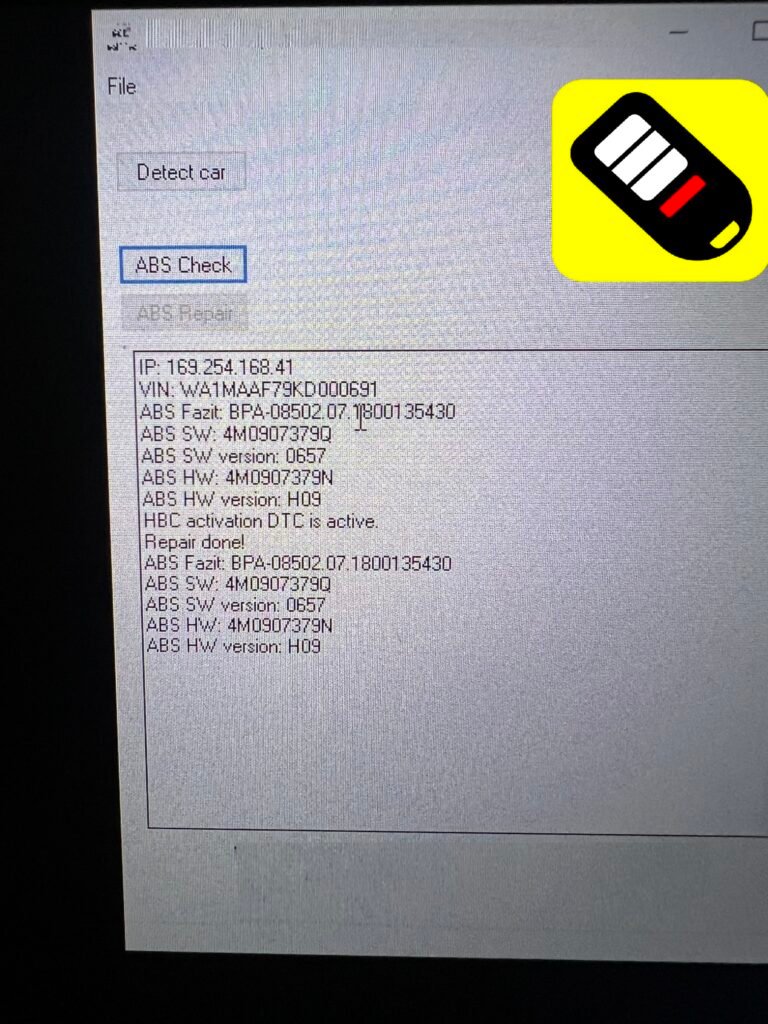
Our specialized C123EF0 counter reset service provides a direct, highly technical solution to this software lockout, completely eliminating the need for an expensive hardware replacement. Rather than forcing you to purchase a costly new electromechanical brake booster, we utilize specialized automotive diagnostic programmers and advanced dealer-level software to interface directly with your existing control module. By accessing the underlying EEPROM data within the module, we can safely and manually reset the internal operational counter back to zero, entirely erasing the restricted limit value from the system memory.
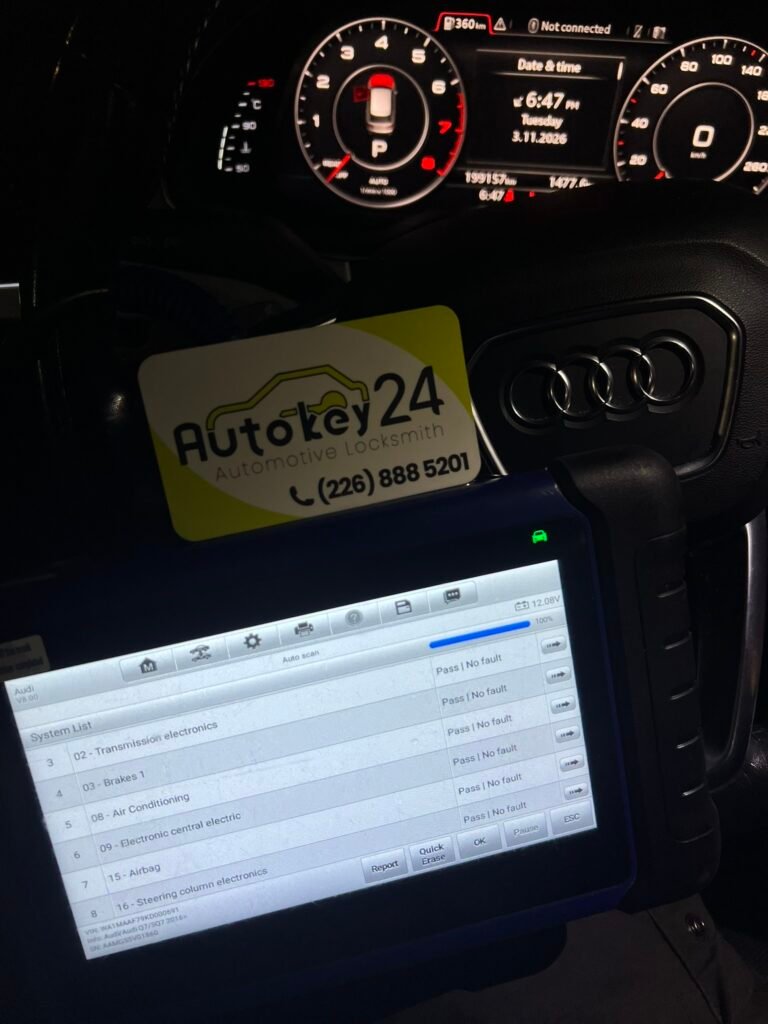
Once the software limit has been successfully reset, our technicians permanently remove the C123EF0 Diagnostic Trouble Code (DTC) from the vehicle’s network. Because the underlying hardware was never physically damaged or worn out, clearing the software restriction immediately restores the module to 100% functionality. The dashboard warning lights are extinguished, full braking system performance is instantly recovered, and the vehicle operates exactly as intended. This is a permanent software repair, not a temporary patch or bypass, as it completely restarts the operational lifecycle of the module’s internal counter.
The primary advantage of our C123EF0 error reset service is the drastic reduction in repair costs and vehicle downtime. By salvaging and reprogramming your original factory module, you bypass the thousands of dollars required for dealership parts and labor. Furthermore, because the original unit remains installed in the vehicle, there is no need for invasive mechanical teardowns, complex immobilizer synchronization, or component protection removal. As a fully equipped mobile automotive programming service, we perform the DTC removal and limit value reset directly on-site. Whether your vehicle is parked in a residential driveway or waiting at an independent repair facility, we deploy the necessary hardware to execute the reset efficiently. Stop wasting capital replacing functional automotive components; our targeted software intervention permanently clears the C123EF0 code at a fraction of the dealership’s replacement quote.
FAQ
Which exact models and years are affected by the C123EF0 error?
The C123EF0 code (Hydraulic Brake Booster Limit Value Reached) primarily affects Volkswagen Auto Group (VAG) vehicles equipped with Bosch Generation 9 ABS/ESP control units built between 2010 and 2020. Common affected models include:
Audi A4 & S4: 2015–2019
Audi A5 & S5: 2016–2019
Audi A6: 2014–2018
Audi A7: 2018–2020
Audi Q5: 2010–2016
Audi Q7: 2015–2019
Audi SQ5: 2017–2020
Audi SQ7: 2016–2019
Volkswagen Touareg (CR): 2018 and newer
Bentley Bentayga: 2016–2017
Do you offer mobile or remote services for this repair?
Yes. We provide a fully equipped mobile reset service anywhere within Ontario, coming directly to your home, driveway, or chosen repair facility to perform the software fix on-site. For international clients or those outside our travel radius, we provide an online remote service worldwide.
How can I contact you to book this service?
You can reach our technicians instantly to schedule your limit value reset or ask technical questions. We are available via direct Phone call or through WhatsApp for fast, convenient communication, especially for our worldwide remote clients.
Will this software reset permanently fix my vehicle?
Yes, our service permanently resets the software counter back to zero and removes the C123EF0 restriction from your ABS module. However, the software limit was originally triggered by a physical vacuum leak or a faulty brake booster pressure sensor. To ensure the error does not eventually return, the underlying mechanical issue (such as replacing the faulty pressure sensor or fixing the vacuum leak) must be resolved alongside our software reset.
Can my local dealership just clear this code for me?
No. Dealership diagnostic tools like ODIS are not authorized to reset the internal EEPROM counter. Once the limit is reached, it becomes a “hard” or permanent fault. A dealership will mandate a complete replacement of the expensive ABS module and brake booster assembly. Our specialized programming service targets the code at the EEPROM level, saving you thousands of dollars by salvaging your original factory hardware.